Driverless Taxis Are Coming to Hong Kong — and They're Built for the World's Left-Side Roads
There’s a quiet race unfolding across the autonomous vehicle industry, and it isn’t about who can deploy the most robotaxis in Phoenix or Shanghai. The harder, more interesting question is whether the technology can cross the road — literally — into right-hand-drive markets, where traffic flows on the left and everything from sensor placement to passenger entry points needs rethinking. On June 22, three companies signaled they intend to answer that question starting from one of the world’s most demanding urban environments: Hong Kong.
Chinese autonomous driving company WeRide has signed a strategic cooperation agreement with Geely Farizon, the commercial vehicle arm of Geely, and Kwoon Chung Bus Holdings, one of Hong Kong’s largest transport operators. The three parties will jointly develop a native right-hand-drive Robotaxi based on WeRide’s existing mass-produced GXR platform, with Hong Kong serving as the launchpad for commercial autonomous ride-hailing services across right-hand-drive markets globally.
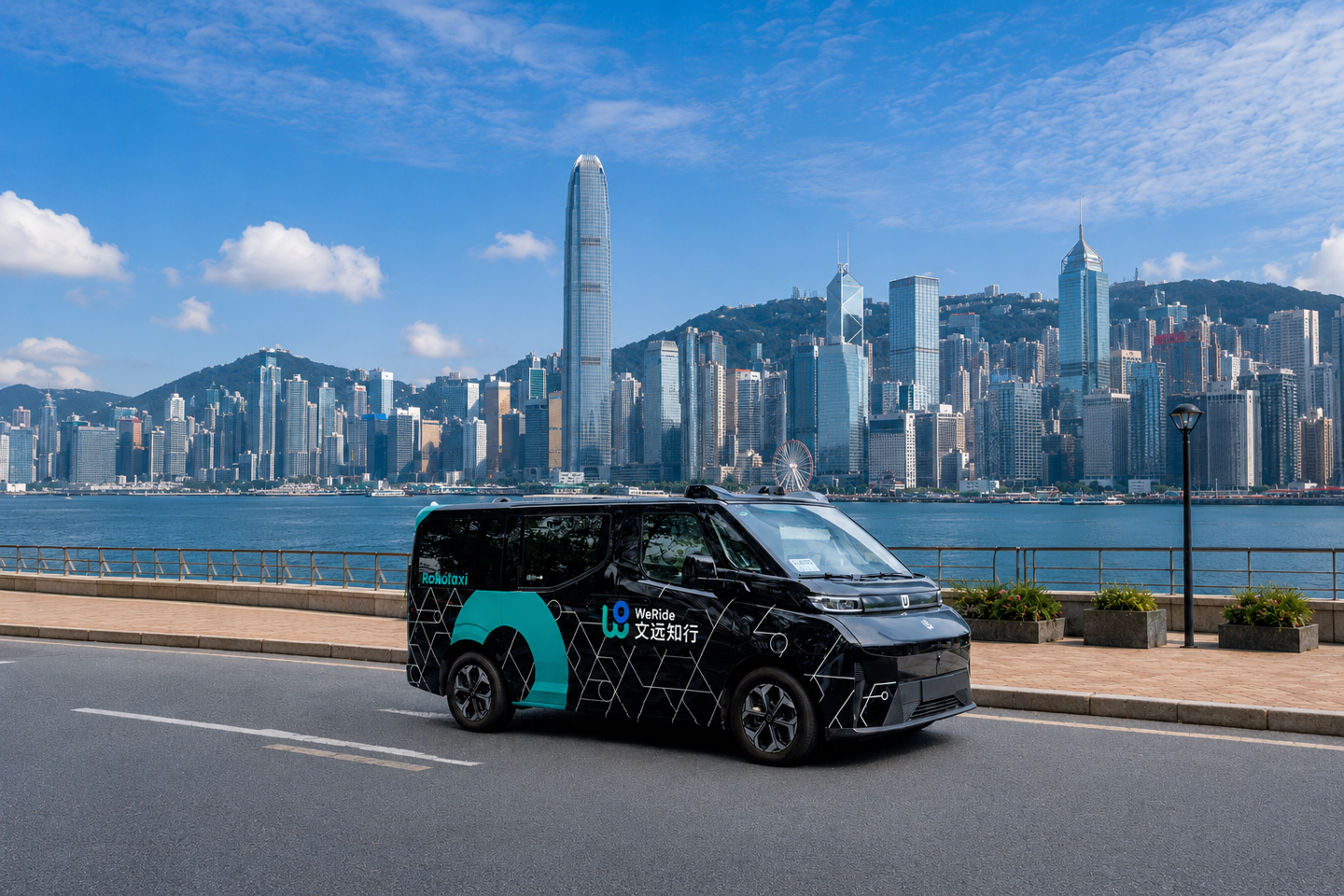
Hong Kong is not an obvious first choice if you’re looking for an easy deployment. Its road network is extraordinarily dense, its traffic a chaotic mix of double-decker buses, minibuses, motorcycles, and pedestrians navigating one of the highest population densities on earth. But that’s precisely the point. The city’s mature public transport infrastructure and relentlessly complex mixed-traffic environment make it an ideal proving ground — a place where a right-hand-drive Robotaxi’s perception, decision-making, and passenger experience systems can be stress-tested in conditions that few other cities can replicate.
The ambition extends well beyond Hong Kong’s borders. IT-NEWS has learned from the official release that WeRide has already secured contracts from right-hand-drive markets including Singapore, Japan, and the United Kingdom. A successful commercial rollout in Hong Kong would serve as a reference implementation — a demonstration that Chinese autonomous driving technology and connected vehicle products can be adapted for global left-side-road markets at scale.
Rather than retrofitting a left-hand-drive vehicle, the new Robotaxi will be developed from the ground up for right-hand-drive operation. The companies plan a systematic native development process spanning product definition, vehicle platform engineering, the autonomous driving stack, and human-machine interaction — all calibrated to the traffic regulations, road conditions, user habits, and operational requirements specific to markets where drivers sit on the right. The goal is a vehicle that feels natural in its environment rather than one that has been awkwardly translated.
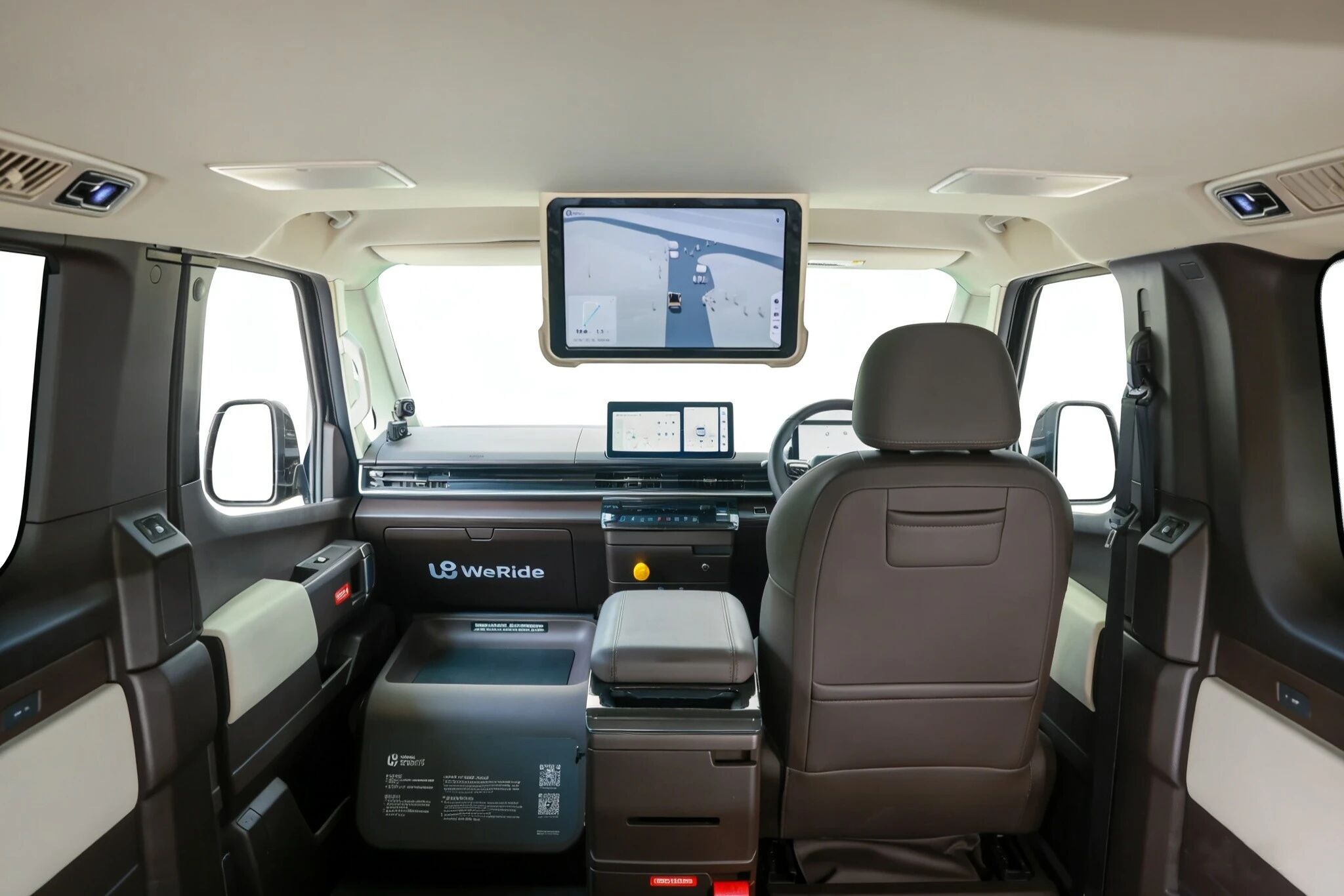
The partnership brings together three pieces of the puzzle that rarely align in a single deal. WeRide contributes its autonomous driving technology and the GXR platform, which has already seen front-loading mass production. Geely Farizon brings large-scale vehicle manufacturing capability and deep experience in commercial fleet vehicles. Kwoon Chung Bus, which operates franchised and non-franchised bus services across Hong Kong, provides the local operational know-how and market access that any foreign autonomous vehicle deployment would otherwise spend years building.
For the broader industry, the Hong Kong project represents something more than another robotaxi pilot. Right-hand-drive markets collectively account for roughly a third of global vehicle sales, concentrated in wealthy economies where autonomous ride-hailing could achieve strong unit economics. If WeRide and its partners can make the economics work amid Hong Kong’s notorious real estate costs and labyrinthine regulatory landscape, the template becomes exportable to London, Tokyo, Singapore, and Sydney — cities where left-side driving has historically been seen as a barrier rather than an opportunity.