A time server failure knocked Australia offline — and exposed a fragile system
At 4:30 AM on Wednesday, something broke inside Telstra’s network. It took the company more than 13 hours to fix it.
Before the morning commute began, Australia’s largest telecommunications provider had already lost control of its time synchronization servers at data centers in Sydney and Melbourne. The cascade was swift. Rail services across Victoria ground to a halt — Melbourne’s entire train network went dark, stranding commuters. Payment terminals stopped working: people couldn’t tap their cards on buses, couldn’t withdraw cash, couldn’t charge their EVs.
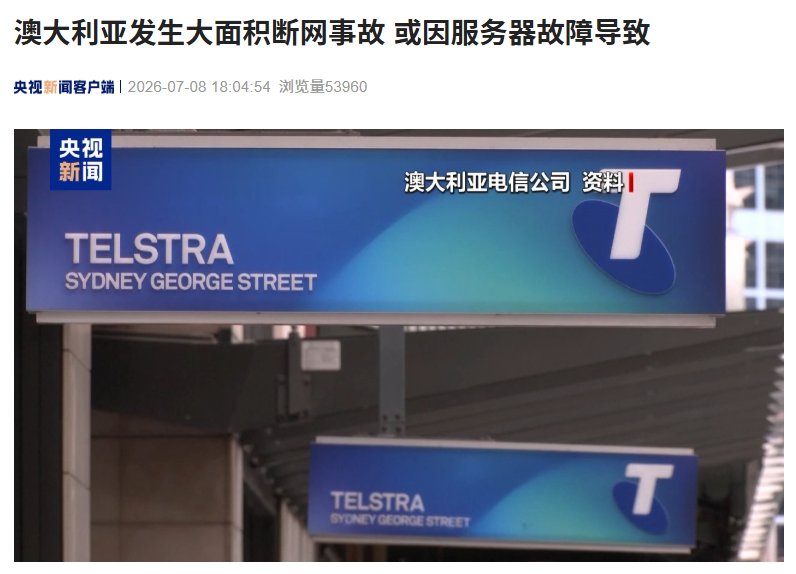
Telstra CFO Michael Ackland apologized publicly within hours. He said there was no sign of a cyberattack, only a hardware failure in the dedicated servers that keep network timing in sync. That small piece of infrastructure — responsible for coordinating time across the network — turned out to be a single point of failure for millions of Australians.
The outage spilled beyond transport and retail. Australia’s Communications Minister, Anika Wells, warned that some users reported being unable to reach emergency services. That detail carries weight: last September, Optus — the country’s second-largest telecom — suffered consecutive network failures that cut off emergency call access. Four people died before they could get help.
It took until 5:40 PM for Telstra to declare full restoration. For most of a day, a country of 26 million people learned just how much of its daily life runs through one company’s servers.
The root cause is still under investigation.